Silent Film 1925 Look Recipe: Vintage Movie Style
Transport modern footage back a century to the era of early cinema. The Silent Film 1925 look recreates the unmistakable texture of hand-cranked cameras, unstable mechanical projectors, and nitrate film stock with rapid gate weave, high-contrast monochrome toning, dust speckles, and organic illumination flutter across every single frame.
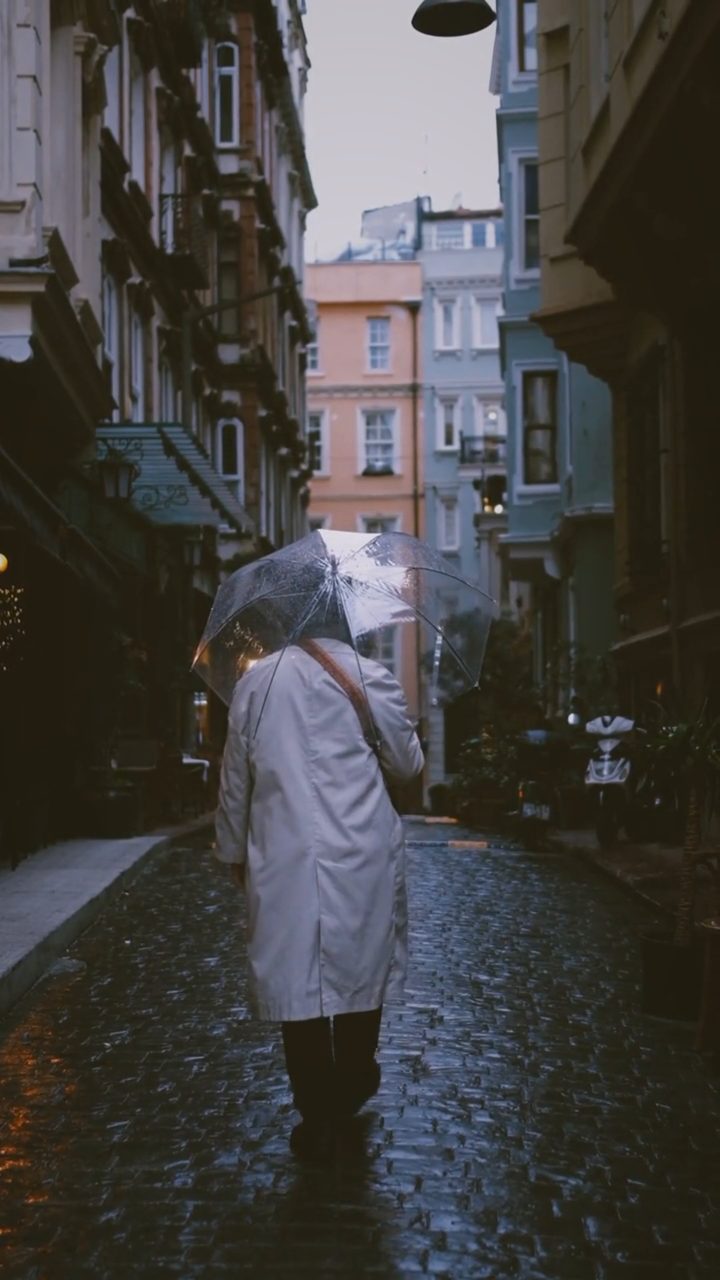 BEFORE
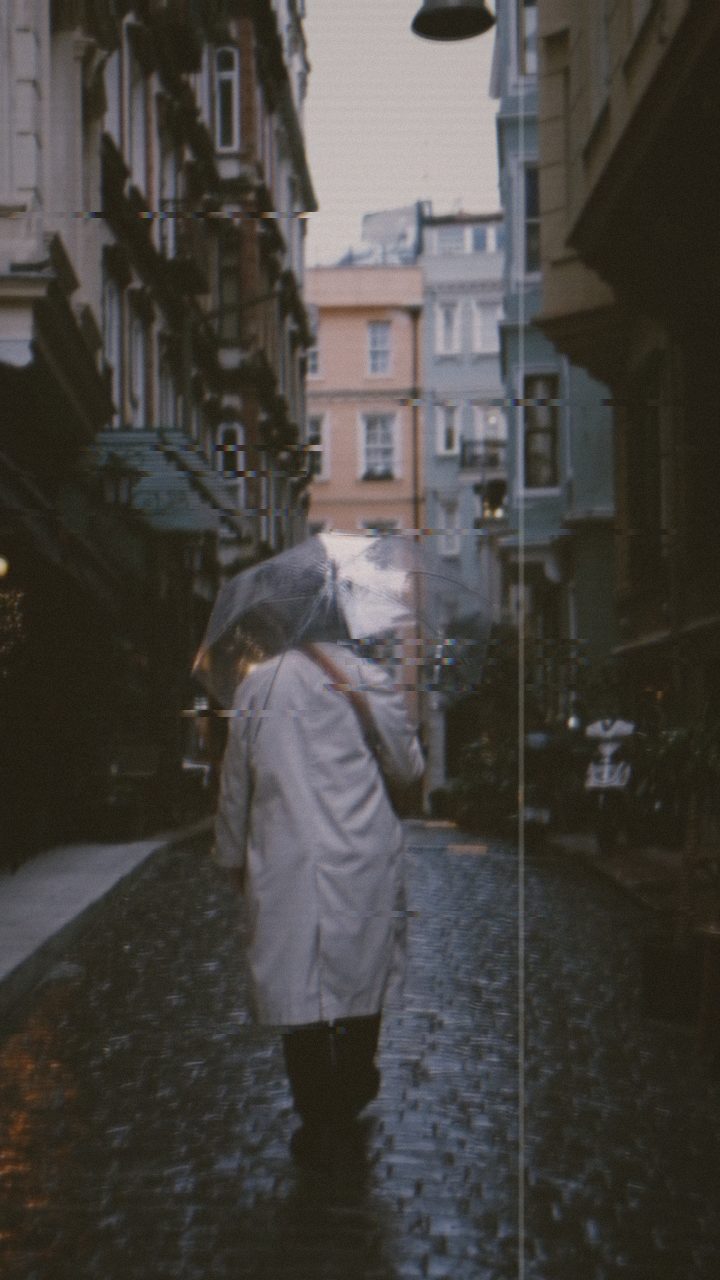 AFTER
AFTERWhy this look works
The Mechanics of Nitrate and Hand-Cranked Projection
Authentic 1920s cinema was defined by physical imperfection. Rather than using an electric motor, camera operators cranked film through the gate manually, causing slight speed variance and mechanical gate weave. In Glitchest, combining Vertical Shake with subtle Vertical Wave simulates this loose transport mechanism, making the frame bounce naturally without turning into a modern digital jitter.
The photographic tone relies on a precise balance of Grayscale, Sepia, and high Noise. Nitrate film stocks yielded stark contrasts and silver grain rather than pure digital gray. Pushing Film Scratch and Flicker gives the impression of worn celluloid passing through a bright carbon arc projector bulb, though setting Flicker too high will induce eye fatigue rather than antique charm.
The recipe
Start from the Old Film preset, then set:
| Retro (era) | 1925 |
| Strength (master) | 38 |
| Glitch Rate | 17 |
| Glitch Width | 22 |
| Block Size | 40 |
| Chaos | 26 |
| Horizontal Wave | 16 |
| Vertical Wave | 14 |
| Vertical Shift | 11 |
| Vertical Shake | 38 |
| RGB Split | 14 |
| Grayscale | 60 |
| Sepia | 70 |
| Noise | 54 |
| Film Scratch | 82 |
| Scanlines | 10 |
| Flicker | 52 |
Everything else stays at its default — tweak it, then copy your own look as JSON or a link from inside the editor to share it.
What footage suits it
Certain clips translate effortlessly into century-old cinema when staged and framed with early visual conventions in mind:
- High-contrast natural lighting: Outdoor scenes with deep shadows or stage-lit scenes evoke orthochromatic film sensitivities.
- Theatrical, deliberate motion: Expressive body language and pantomime match the silent movie acting tradition.
- Static or locked-off framing: 1920s studio cameras were heavy wooden boxes mounted on tripods, rarely executing complex handheld movements.
- Vintage props and period costuming: Period clothing, classic vehicles, or architectural details instantly sell the historic illusion.
Avoid handheld footage with rapid modern gimbal pans or neon electronic signage, as modern cinematography breaks the period immersion.
Common mistakes
- The image looks like a muddy modern digital black-and-white conversion: Increase Sepia and adjust Grayscale to give the highlights warm, silver-toned depth instead of cold digital neutrality.
- The frame jerks so violently it causes nausea: Dial back Vertical Shake and Chaos to preserve readable action while keeping the hand-cranked gate bobble intact.
- The footage resembles modern VHS static rather than celluloid: Lower Scanlines and Glitch Width to zero out electronic raster artifacts and emphasize organic Film Scratch and Noise instead.
When to use it
This aesthetic works across narrative, creative, and commercial storytelling:
- Vintage prologue sequences: Establish a "once upon a time" backstory or flashback in wedding films and narrative shorts.
- History and educational content: Contextualize archival explanations or dramatized reenactments for video essays.
- Vaudeville-style comedic skits: Emphasize physical comedy and slapstick timing for social media creators.
- Stylized musical interludes: Add classic title-card pacing and theatrical glamour to music videos.
Jump directly into the editor to drop in your clip, and explore the breakdown in our companion guide on Silent Film 1925 Look Recipe: Create a Hand-Cranked Aesthetic to learn how to pair title cards with projector timing.
Try it now — add this look to your own clip, free and in your browser.
Open the editor →FAQ
How do I make text intertitles look authentic to 1925 silent movies?
Use a centered serif typeface over an ornate black frame, then apply this effect so the text inherits realistic projector gate weave and scratches.
Should I adjust the video frame rate before applying this effect?
Pre-rendering your clip at 16 to 18 frames per second accentuates the slightly fast, choppy cadence typical of hand-cranked silent cameras.
Why does this recipe combine Sepia with Grayscale?
Silent era nitrate film was routinely chemical-toned, and blending warm sepia gives highlights an aged silver-bromide look rather than sterile modern monochrome.