Deep Fried Meme Look Recipe: Cursed & Saturated Video
The Deep Fried Meme look transforms ordinary footage into an aggressively blown-out, over-saturated artifact reminiscent of cursed internet culture. By cranking saturation, crushing luminance, and introducing heavy channel misalignments with gritty noise, it creates an unhinged, chaotic visual punch that instantly turns any reaction clip or still into comedy gold.
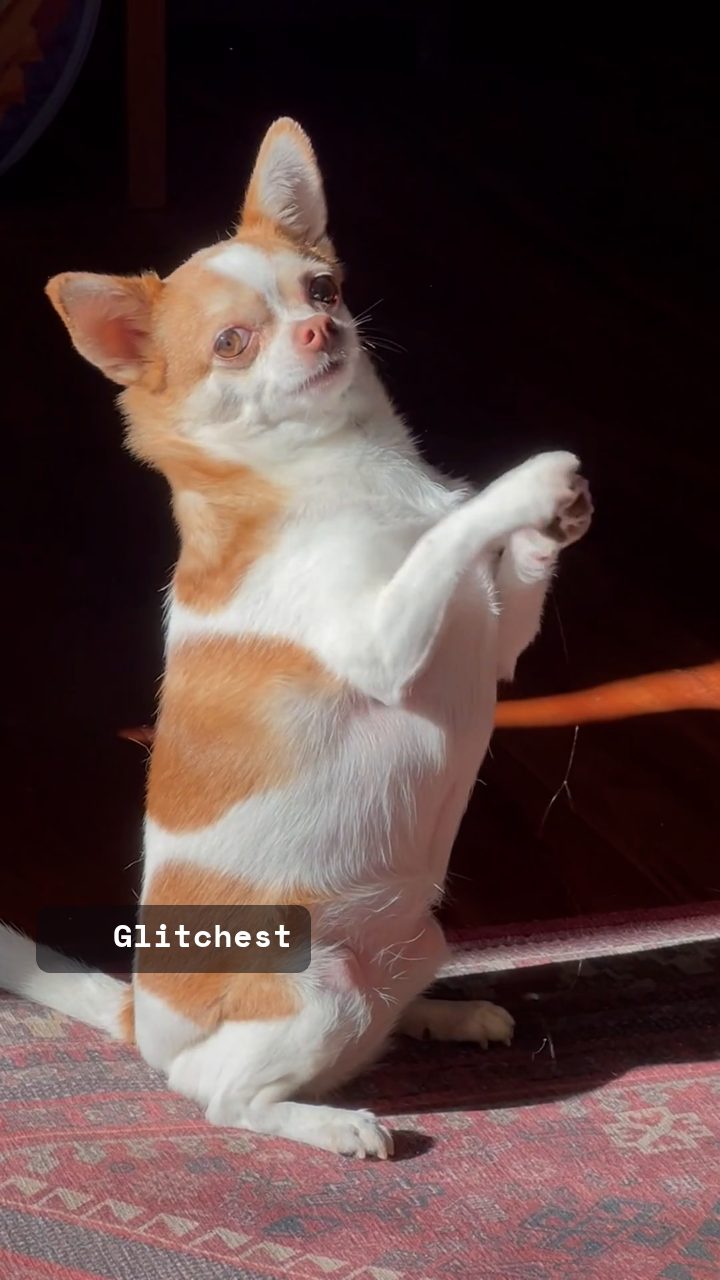 BEFORE
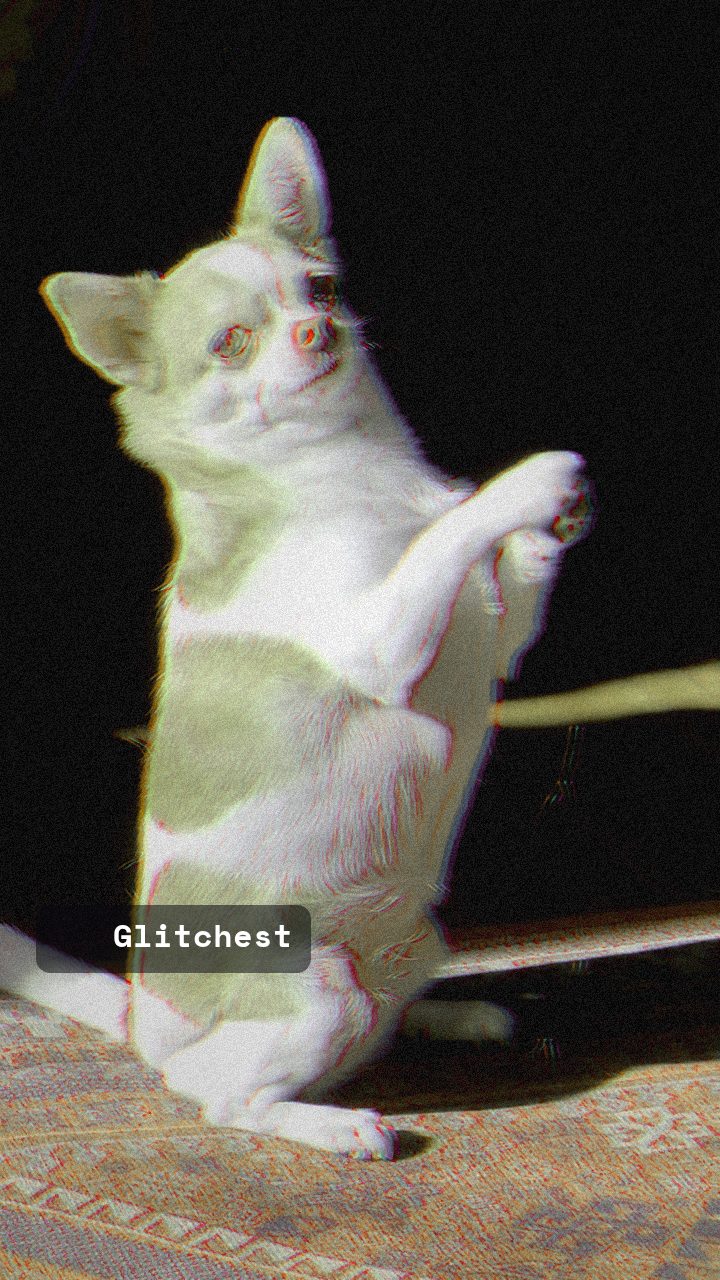 AFTER
AFTERWhy this look works
At the core of the deep fried aesthetic is violent dynamic range destruction. Cranking Color Boost pushes vibrant pixels past their legal gamut into harsh neon territory, while elevated Contrast aggressively clips both shadow details and highlight peaks. This deliberate compression forces midtones into dramatic, posterized bands that give the image its scorched, low-fidelity signature.
Channel Distortion and Textured Grit
To keep the fried effect from feeling like a simple color-grade failure, Hue Shift twists the color palette into unsettling, unnatural spectrums. Layering in a generous dose of Noise simulates multiple compression cycles and repeated re-uploads, while RGB Split separates the color channels just enough to evoke vibrating digital chaos without completely tearing the subject apart.
The recipe
From a clean image, set:
| RGB Split | 40 |
| Hue Shift | 12 |
| Color Boost | 70 |
| Contrast | 65 |
| Noise | 44 |
Everything else stays at its default — tweak it, then copy your own look as JSON or a link from inside the editor to share it.
What footage suits it
Because deep frying relies on extreme pixel exaggeration, selecting footage with distinct focal points produces the funniest and most impactful results:
- High-expression close-ups: Exaggerated facial expressions and wide eyes benefit immensely from crushed shadow accents.
- Bold, vibrant color sources: Footage with distinct red, yellow, or blue elements reacts aggressively to saturation spikes.
- Static or steady framing: Stable compositions prevent channel distortion from blurring critical visual jokes.
Avoid footage that is already underexposed or muddy in low light, as extreme contrast will crush everything into unreadable pure black.
Common mistakes
- Completely illegible faces: The subject's features vanish into flat black silhouettes; resolve this by pulling back Contrast until facial outlines re-emerge.
- Unreadable double-vision blurring: Shifting channels too far makes text or expressions incomprehensible; reduce RGB Split to tighten channel convergence.
- Washed-out gray static: Heavy grain completely drowns out image shapes; scale down Noise so the underlying fried colors remain dominant.
When to use it
This aggressive treatment thrives anywhere you want irony, chaos, or shock value to amplify the humor:
- Ironic shitpost edits: Ideal for cursed shitpost video clips across TikTok, YouTube Shorts, and Reels.
- Reaction punchlines: Apply the treatment as an abrupt impact cut the second a character realizes a mistake or screams.
- Distorted YouTube thumbnails: Catch viewer attention with radioactive, high-contrast character faces that pop in feeds.
- Gaming rage montages: Heighten moments of chaotic gameplay failure or accidental audio clipping.
For fine-tuning, head into the editor and nudge your color controls to balance readability with maximum destruction. If you are comparing variations of over-saturated internet humor, check out our companion Deep Fried Meme Look Recipe: Cursed & Blown-Out Video breakdown.
Try it now — add this look to your own clip, free and in your browser.
Open the editor →FAQ
Why does my deep fried clip look like solid black and white blocks?
When extreme contrast crushes color saturation, midtones can collapse entirely; dial down Contrast slightly to restore readable shapes without losing the crunch.
How does subtle hue shifting enhance the deep fried meme effect?
Shifting the hue slightly off-kilter rotates primary tones into unnatural, radioactive shades of neon orange, green, and magenta, selling the unhinged aesthetic.
Will this fried effect overwhelm fast motion in reaction clips?
Excessive channel splitting combined with heavy noise can blur quick facial expressions, so easing back on RGB Split preserves the comedic punch of rapid movements.